
For investors new to syndications
How a passive multifamily investment actually works.
No jargon, no pressure. Here is exactly what it means to invest passively alongside ResideRise — how your money goes to work, how you get paid, and what to expect from start to finish.
The Process
Five steps from first conversation to exit
We talk
A relaxed introduction call. We learn your goals, you ask anything you want about how we operate, and we decide together whether there is a fit. No pitch.
You review the offering
When a deal matches, you receive the full confidential offering — the business plan, the underwriting, and the legal documents — to review on your own time and with your own advisors.
You invest
If you choose to participate, you sign the subscription documents and fund your investment. From that point you hold a limited-partner position in the property.
You receive quarterly distributions
While we operate the asset, you receive your share of the cash flow — paid quarterly from net operating income — plus a clear quarterly report on how the property is performing.
The asset is sold
At the end of the hold — typically around five years — the property is sold. You receive your original capital back plus your share of the gain. That combination of quarterly income and appreciation at sale is where the projected returns come from.
What You Own
A truly passive position — for you.
You invest as a limited partner. You own a share of a real, income-producing apartment community, but you never field a tenant call, approve a repair, or sign a loan. That work belongs to the operator.
Here is something most operators will not say plainly: multifamily is not passive for us. We work constantly. What is passive is your experience — and only when the operator is doing their job well. That is the standard we hold ourselves to.
Book a Call & Ask Anything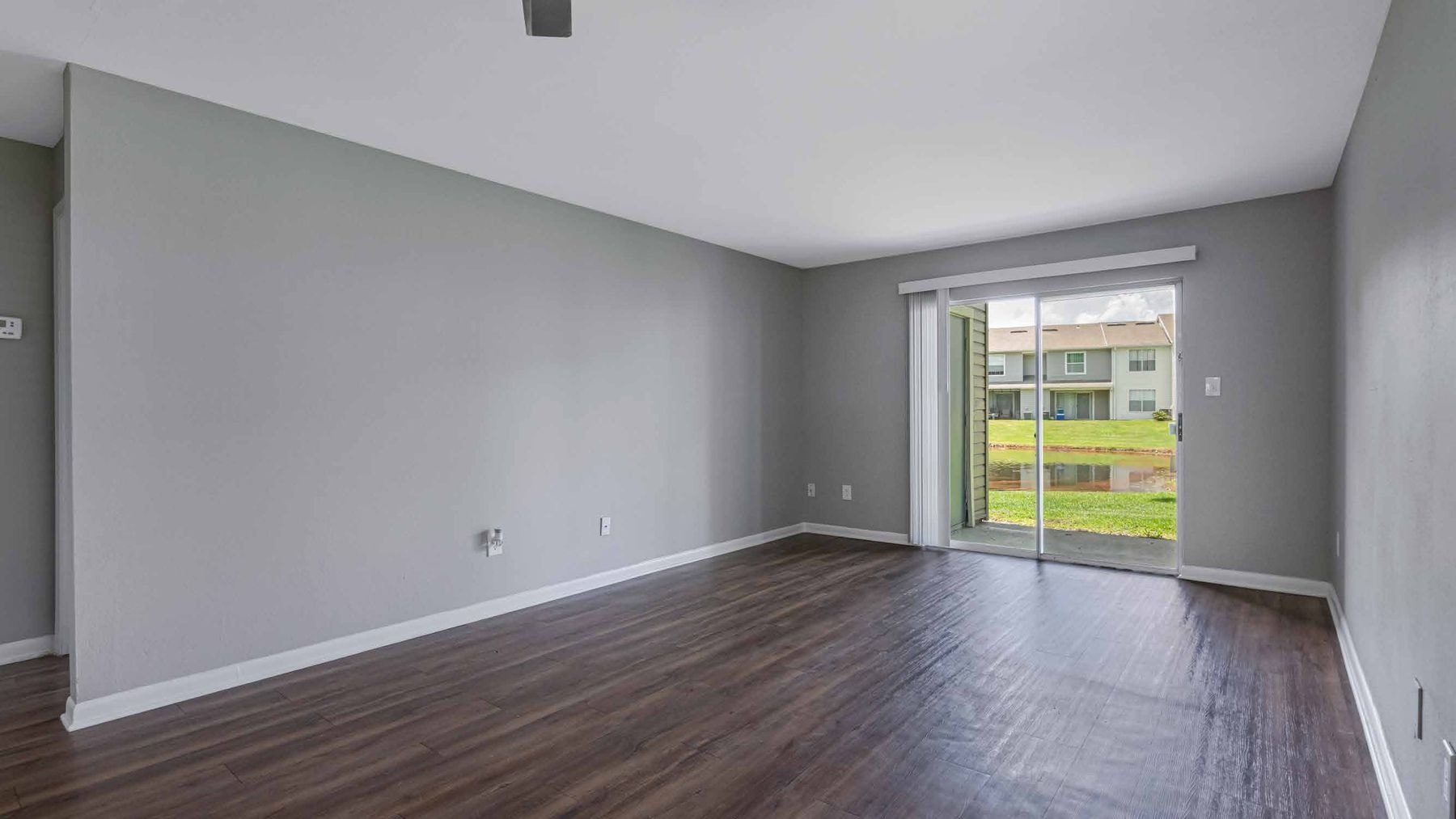
Tax Advantages
Why real estate gets such favorable tax treatment
One of the specific reasons investors choose real estate is how it is taxed. The mechanics below are educational — they are not tax advice, and every investor's situation is different. Always confirm the details with your own CPA.
Depreciation
The tax code lets owners deduct the value of a building over time, even as the property itself may be appreciating. Those paper losses can offset a meaningful share of the income distributed to you.
Cost segregation
A cost-segregation study accelerates depreciation by breaking the property into components with shorter schedules. The effect is often a large first-year deduction passed through to investors.
The K-1
Each year you receive a Schedule K-1 reporting your share of income and deductions. For many investors, distributions are partly or fully sheltered in the early years of a hold.
Deferral at sale
When a property sells, there are recognized strategies that can defer the tax on the gain. Whether any of them fit you is a conversation for you and your tax advisor.
This section is general education, not tax advice. Consult a qualified tax professional about your specific circumstances. Depreciation recapture and other rules apply at sale.
Questions
Common investor questions
Request Information
Let's see if this fits your portfolio.
Share a few details and Cynthia will reach out personally — no pressure, no hard pitch. We will talk through how we underwrite, what a passive position looks like, and whether ResideRise is the right partner for your long-term goals.
- A direct conversation with the principal, not a call center
- Honest answers about returns, risk, and timing
- Your information is kept private and never sold
Ready to talk now?
Pick a time that works for you — straight onto Cynthia's calendar.
Book a 15-Minute CallPrefer to reach out directly?
Request Investor Information
For accredited investors. Takes under a minute.
Ready to Talk?
Let's see if this fits your portfolio.
No hard pitch — just an honest conversation about your goals and how we underwrite. Cynthia will reach out to you personally.